Quick answer: Dental visits can trigger FND symptoms due to sensory overload (lights, noise, vibration) and physical positioning. Preparation, clear communication with your dentist, establishing a signal system for breaks, and requesting reasonable adjustments like dimmed lights or noise-canceling headphones can significantly improve the experience.
Introduction
For individuals living with Functional Neurological Disorder (FND), routine activities can present unique challenges. Dental care, often a source of anxiety for many, can become particularly daunting when managing FND symptoms. The sensory environment of a dental clinic—bright lights, loud drills, vibrations, and specific body positioning—can act as significant triggers, potentially exacerbating symptoms like functional seizures, tremors, dizziness, or sensory overload [1]. This blog post aims to provide practical guidance and strategies for navigating dental appointments, fostering better communication with dental professionals, and advocating for necessary reasonable adjustments to ensure a safer and more comfortable experience.
Understanding Common Triggers in a Dental Setting
The dental environment, while designed for clinical efficacy, can inadvertently create a perfect storm of triggers for FND symptoms. Recognizing these can empower individuals to prepare and communicate their needs effectively [2].
Sensory Overload
- Bright Lights: The overhead dental light can be intense, especially for those with light sensitivity or visual processing difficulties common in FND.
- Loud Noises: The sounds of drills, suction, and other equipment can be jarring and contribute to auditory overload, potentially triggering anxiety or seizures.
- Vibrations: The vibrations from dental tools can be deeply unsettling, particularly for individuals with tremor or heightened sensory perception.
Physical and Positional Challenges
- Reclined Position: Lying flat in a dental chair can be uncomfortable or even trigger symptoms like dizziness or dissociation for some FND patients.
- Jaw and Mouth Strain: Keeping the mouth open for extended periods can lead to muscle fatigue and pain, potentially escalating other FND symptoms.
- Lack of Control: The feeling of being vulnerable and having limited control during a procedure can heighten anxiety, a known FND trigger.
Strategies for a Smoother Dental Experience
Effective preparation and clear communication are key to minimizing triggers and managing symptoms during dental visits.
Before the Appointment
- Choose the Right Dentist: Look for a dental practice that is understanding, patient, and willing to make accommodations. Some practices specialize in treating anxious patients or those with special needs.
- Pre-Visit Communication: Contact the dental office in advance to explain your FND diagnosis and discuss potential triggers and needs. Provide a brief, written summary of your condition and specific triggers if helpful.
- Plan for Transport: Arrange for someone to drive you to and from the appointment, especially if you anticipate feeling fatigued or experiencing symptoms afterward.
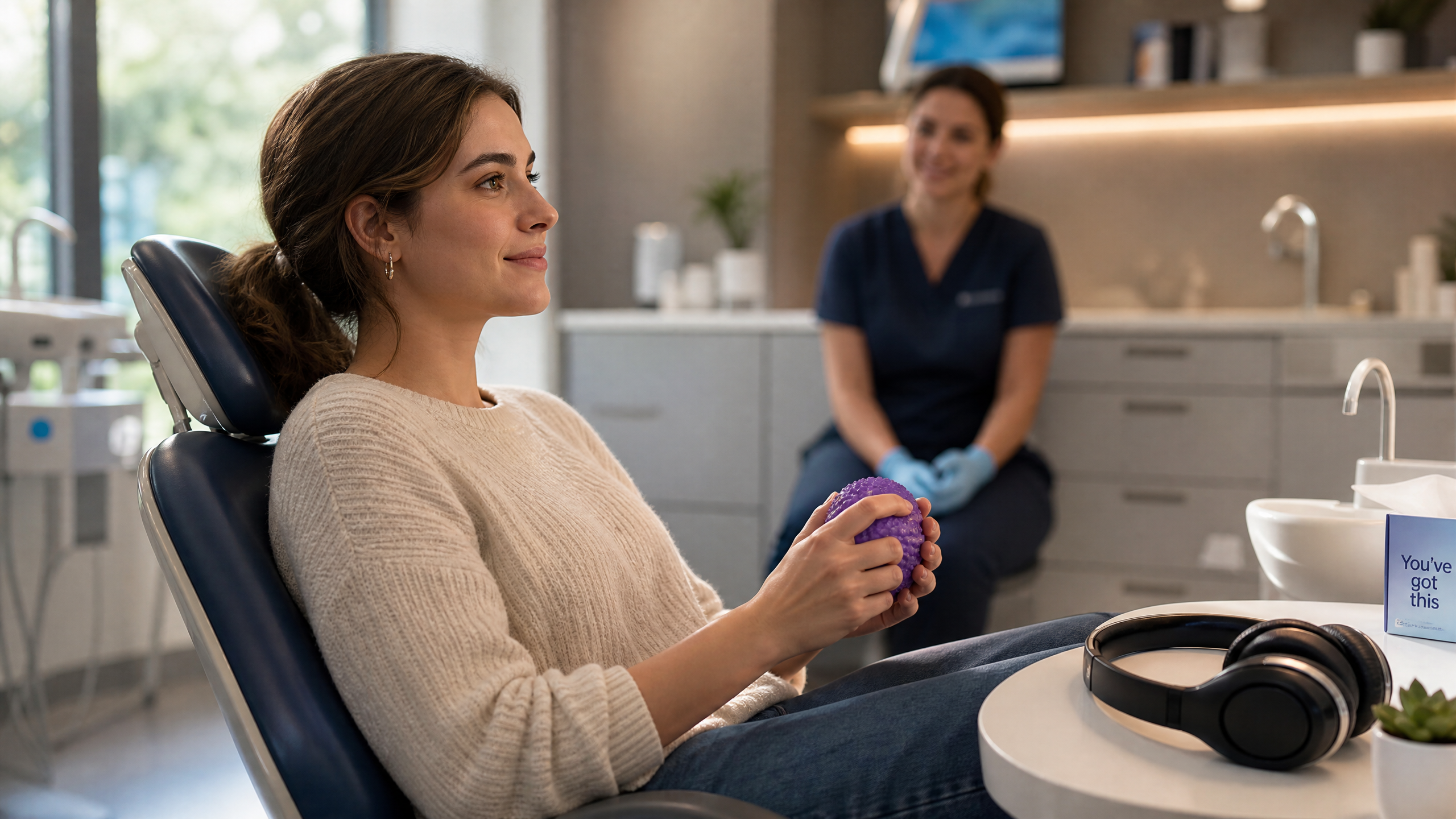
- Sensory Toolkit: Prepare a small bag with items that can help manage sensory input, such as noise-canceling headphones, sunglasses, or a weighted blanket.
- Comfort Items: Bring a fidget toy or stress ball to help manage anxiety and provide a distraction during the procedure.
During the Appointment
- Signal System: Establish a clear hand signal with your dentist to indicate when you need a break, are experiencing discomfort, or feel symptoms escalating.
- Breaks and Repositioning: Don't hesitate to ask for frequent breaks to sit up, stretch, or simply rest. Discuss alternative positioning if lying flat is problematic.
- Sensory Modifications: Request dimmed lights, the use of noise-reducing headphones, or a blanket for comfort. If possible, ask for manual tools instead of vibrating ones for certain procedures.
- Distraction Techniques: Focus on deep breathing, listen to calming music or a podcast through headphones, or engage with your fidget toy.
After the Appointment
- Rest and Recovery: Plan for adequate rest after your appointment, as the experience can be draining and potentially lead to a symptom flare or a "symptom hangover" [3].
- Reflect and Adjust: After the appointment, reflect on what worked well and what could be improved for future visits. Update your communication plan with your dental team as needed.
Advocating for Reasonable Adjustments
Under the Equality Act in the UK, healthcare providers, including dental practices, have a legal obligation to make reasonable adjustments for disabled patients [4]. This includes individuals with FND. Don't be afraid to advocate for your needs.
- Pre-appointment discussions: Clearly outline your triggers and the adjustments that would help.
- Written communication: Provide a written summary of your FND and requested adjustments to ensure clarity and a record.
- Bring a companion: A trusted friend or family member can help advocate for you and provide support.
Conclusion
Managing dental care with FND requires proactive planning, open communication, and self-advocacy. By understanding potential triggers, implementing coping strategies, and working collaboratively with your dental team, you can significantly improve your experience and maintain good oral health. Remember, your health and comfort are paramount, and reasonable adjustments are your right.
Frequently asked questions
Can FND symptoms be triggered by dental visits?
Yes, the sensory environment of a dental clinic (bright lights, loud noises, vibrations) and physical positioning can trigger FND symptoms like functional seizures, tremors, dizziness, or sensory overload for some individuals.
What can I do to prepare for a dental appointment with FND?
Before your appointment, communicate your FND diagnosis and specific triggers to the dental office. Consider bringing noise-canceling headphones, sunglasses, a fidget toy, and arranging for transport. Establish a signal system with your dentist for breaks.
Are dentists required to make accommodations for FND patients?
Yes, under the Equality Act in the UK, healthcare providers, including dental practices, have a legal obligation to make reasonable adjustments for disabled patients, which includes individuals with FND.
What kind of adjustments can I request at the dentist?
You can request frequent breaks, alternative positioning, dimmed lights, use of noise-reducing headphones, or manual tools instead of vibrating ones. Clear communication with your dental team is essential.
What is a "symptom hangover" after a dental visit?
A "symptom hangover" refers to an exacerbation of FND symptoms or increased fatigue that can occur after a particularly taxing event, such as a dental appointment, due to the cumulative stress and sensory input.